
Views: 0 Author: Site Editor Publish Time: 2026-07-08 Origin: Site


Deciding how to publish your next title goes far beyond simple aesthetics. Choosing a hardcover format represents a strategic commercial and branding investment. You are signaling quality, permanence, and prestige to your readers.
Creators often face a core trade-off during production planning. You must weigh higher upfront manufacturing costs against superior durability, elevated perceived value, and greater retail margin potential. Making the wrong structural choice can erode profits and diminish the reader’s tactile experience.
This guide provides a clear, evidence-based framework for your publishing strategy. We will help publishers, brands, and authors evaluate if this premium format aligns with specific financial and functional goals. You will also learn exact execution steps to navigate materials, design specs, and vendor selection flawlessly.
Profitability over Unit Cost: While printing a hardcover book requires a higher initial outlay, the format supports premium retail pricing, often resulting in better overall profit margins.
Purpose-Driven Formatting: Hardcovers are the standard for high-handling environments (cookbooks, textbooks) and legacy items (art books, brand catalogs, yearbooks).
Technical Precision is Non-Negotiable: Successful hardcover production requires strict adherence to specialized design specs, including spine calculations, hinge allowances, and turn-ins.
Partner Evaluation: Selecting a qualified hardcover book manufacturer requires assessing their binding technology (e.g., Smyth sewing vs. glued) and quality assurance processes.
Publishing a Hardcover Book elevates your product in the marketplace. A heavy, rigid format creates a premium tactile experience. You can easily justify a higher manufacturer's suggested retail price (MSRP). Buyers instinctively associate weight and hardboard covers with value. This increased retail price comfortably offsets your initial manufacturing premiums.
Durability remains a massive selling point. Heavy binder’s board physically protects the interior pages. Spills, drops, and general wear rarely damage a well-bound case. This structural durability delivers a long-term return on investment. Readers display these editions continuously. They reference them for years without seeing degraded spines or torn covers.
Format also signals authority. You build immediate credibility when readers hold a sturdy, beautifully bound volume. It implies importance and permanence. This perception is crucial for B2B catalogs, architectural portfolios, and thought-leadership publications. Companies use premium formats to establish dominance. An impressive physical presence on a client's desk keeps your brand top-of-mind.
Choosing between formats requires balancing costs against audience expectations. You must evaluate the cost-to-outcome ratio carefully. Higher unit costs require confident sales projections. However, target audiences often expect specific formats. Retail margins expand significantly when you meet these premium expectations successfully.
Customer usage realities dictate format success. Readers prefer paperbacks for commuting. They want portability and budget-conscious pricing. Conversely, audiences buy casebound editions for bookshelf display. They purchase them as high-end gifts. They also demand flat-lay reading experiences for reference materials.
Time-to-market impacts your decision heavily. Case binding requires longer production timelines. Glue needs proper curing time. Assembly involves multiple specialized machines. Perfect-bound paperbacks finish much faster. You must factor these delays into your launch schedule.
Many publishers adopt a hybrid approach. They release a premium edition for the initial launch. Superfans and collectors buy these eagerly. Later, publishers release a paperback version. This strategy captures mass-market adoption while maximizing early revenue streams.
Evaluation Metric | Paperback Format | Hardcover Format |
|---|---|---|
Production Cost | Lower initial unit cost | Higher initial investment |
Retail Margin | Standard margins | Premium margin potential |
Audience Usage | Portable, commute-friendly | Display, giftability, reference |
Production Timeline | Faster turnaround | Longer curing and assembly |
Certain projects demand a premium physical presence. You maximize your return on investment by matching the format to the content's purpose. Here are the most lucrative scenarios for casebound printing.
Visual and Creative Portfolios: Art books and photography collections require stunning visual fidelity. Architectural monographs demand large format scales. Sturdy boards protect large, glossy pages from sagging.
Durability-Dependent Publications: Cookbooks face spills and heat. Educational textbooks endure daily backpack transit. Children’s books suffer heavy, repetitive handling. Rigid covers provide necessary resilience for these demanding environments.
Corporate and Legacy Projects: Company yearbooks preserve organizational history. Premium brand catalogs serve as powerful sales tools. Commemorative editions act as physical brand assets. They sit on executive desks for years.
Special Trade Editions: Authors release signed copies for superfans. Limited runs generate marketing hype. Collector’s editions feature foil stamping and slipcases. Loyal audiences gladly pay premium prices for these exclusive versions.
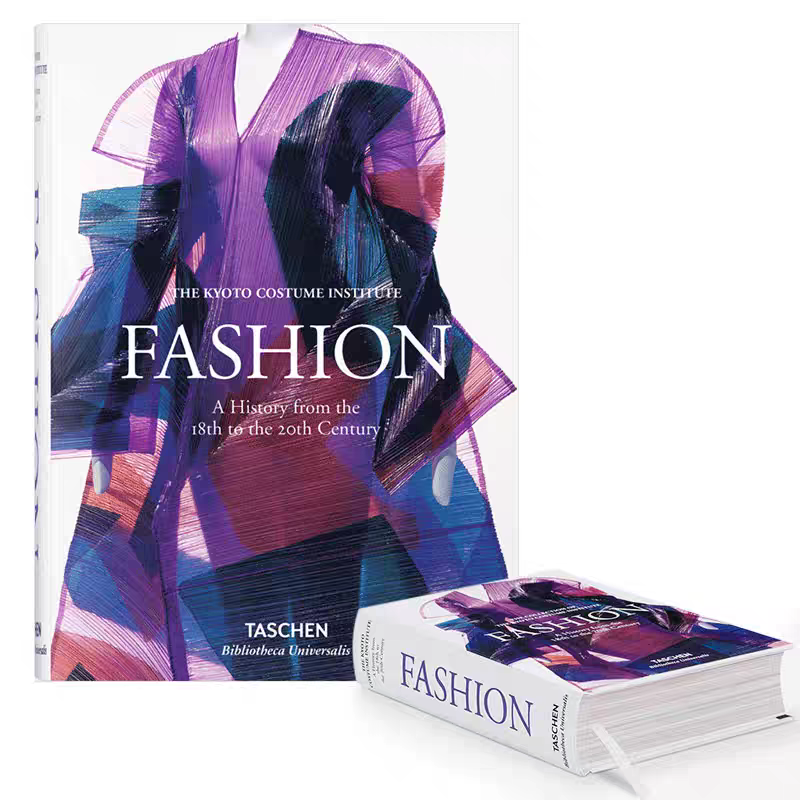
Your choice of materials directly impacts both aesthetic appeal and unit cost. Printed Paper over Board (PPC) remains the standard for trade publishing. It is highly customizable and cost-effective. You print artwork directly onto paper, then laminate it over rigid boards.
Cloth and linen offer a traditional, tactile experience. They require foil stamping or debossing since you cannot print standard ink on them easily. This process increases your production costs. Faux leather and specialty synthetics deliver a luxury feel. Religious texts and premium diaries frequently utilize these upscale materials.
Binding techniques define structural integrity. Smyth Sewn, or thread sewing, is the industry gold standard. Printers fold pages into signatures and sew them together. This ensures maximum durability. It also allows thick volumes to lay completely flat. Adhesive casebound relies strictly on glue. It is more economical. It suits lower page counts well. However, it lacks the longevity of sewn binding.
Value-add enhancements elevate the final product. Dust jackets protect the binding while offering prime marketing space. Head and tail bands hide the spine's folded edges. Ribbon markers add functional elegance. Custom endpapers provide a beautiful transition from the cover to the interior text.
Designing for case binding requires strict technical precision. You cannot use standard paperback templates. Spine width calculations differ significantly. You must factor in paper thickness, binder's board thickness, and the specific binding style.
Hinge and turn-in allowances confuse many novice designers. The hinge crease is the flexible indentation near the spine. You must keep critical artwork away from this area. Covers also require a standard 15mm to 20mm wrap-around bleed. We call this the turn-in. The cover material must fold neatly over the thick interior boards.
Endpaper design requires careful file preparation. Self-ends utilize the first and last pages of your text block. Separate endsheets use distinct, heavier paper stock. You must clarify this choice before formatting your print files.
Risk mitigation prevents costly delays. Common prepress errors destroy budgets quickly. Watch out for these specific issues:
Placing text too close to the gutter.
Setting incorrect bleed dimensions for the turn-ins.
Ignoring the hinge crease zone on the cover layout.
Failing to embed fonts in the final PDF export.
Finding a reliable Hardcover Book manufacturer ensures a flawless final product. You must assess their technical capabilities upfront. Verify if the facility handles case binding in-house. Some printers outsource this step. Outsourcing negatively impacts quality control and extends turnaround times.
Always request a physical prototype or previous samples. Do not skip this step. You need to verify board density personally. Check the glue application for neatness. Examine the sewing tension on Smyth-sewn samples. Loose threads indicate poor machinery maintenance.
Match your project volume to the vendor's scale. Short-run digital printing suits small batches perfectly. Offset web printing handles massive trade releases. Ensure your target volume meets their minimum order quantities (MOQs). Do not force a large offset printer to run a tiny batch.
Evaluate their supply chain and compliance standards. Ask about FSC-certified paper sourcing. Verify toxicity standards for inks, especially for children's books. Establish clear service level agreements (SLAs). Transparent communication prevents missed deadlines and costly reprints.
Choosing a rigid, casebound format is an investment in durability, brand authority, and retail margin. You capture premium pricing while delivering a lasting physical asset to your readers. Success relies heavily on matching your specific use case to the right binding techniques.
Finalizing design specs in tandem with your chosen materials prevents prepress disasters. You must accommodate board thickness, turn-ins, and hinge creases early in the design phase. A trusted printing partner will guide you through these technical hurdles.
Take action on your publishing goals today. Request a custom quote to understand your baseline costs. Order a sample pack of cover materials to experience the tactile differences. Finally, download a prepress checklist to ensure your files meet strict industry standards before you go to print.
A: Most commercial binders require a minimum of 24 to 32 pages. Structural limitations dictate this rule. The spine must be wide enough to support the glued or sewn text block properly. Thicker paper weights can sometimes accommodate slightly lower page counts.
A: Expect production to take two to three weeks longer than paperback printing. Case binding involves complex, multi-step assembly. The glue binding the text block to the boards requires dedicated curing time to ensure long-term structural integrity.
A: Yes, but with limitations. POD services offer basic case binding, usually adhesive-glued rather than Smyth sewn. You will face strict limits on custom cover materials, foil stamping, and endsheet choices. Traditional offset printing provides vastly superior quality and customization.
A: A dust jacket is a removable paper cover. It protects the binding from scuffs and dirt. It also serves as a prime marketing tool for author bios and synopses. You do not strictly need one if you use a Printed Paper over Board (PPC) cover.


